PK/PD Bioanalysis in Practice
Whether working with small molecules, peptides, oligonucleotides, or biologics, tailored bioanalytical strategies are essential for meaningful PK/PD characterization.
PK analyses quantify drug concentrations in biological matrices such as plasma, serum, or tissue. These data are central to:
- First-in-human studies
- Dose-escalation designs
- Therapeutic drug monitoring
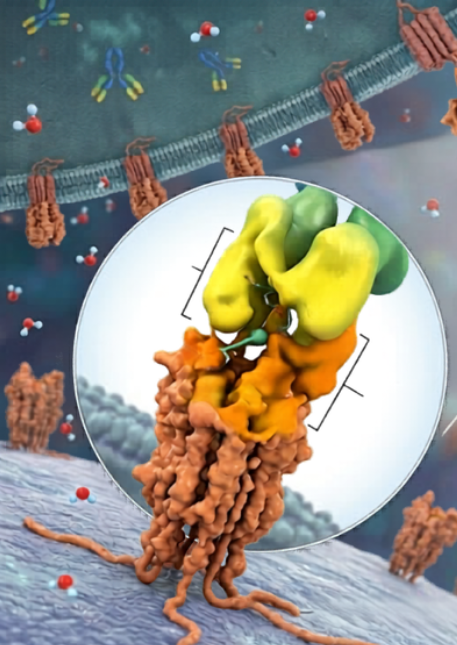
PD analyses, by contrast, assess functional outcomes—often through biomarkers, receptor occupancy, or signaling pathways—directly linking drug exposure to biological activity.
Specialized PK/PD Expertise with a Biomarker Focus at chimera biotec
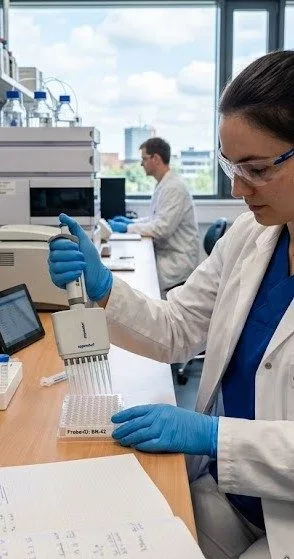
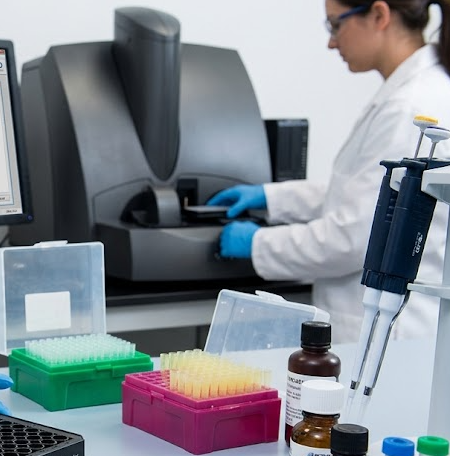
chimera biotec specializes in high-sensitivity, scientifically rigorous bioanalysis with a strong focus on biomarker-driven PK/PD strategies. As a flexible CRO partner, chimera biotec supports biopharmaceutical startups and established companies across preclinical and clinical development programs.
What sets chimera biotec apart:
- Deep expertise in PK/PD-relevant biomarker assays, from exploratory to validated
- Custom assay development rather than off-the-shelf solutions
- Method validation aligned with international regulatory expectations
- Experience supporting complex study designs and preclinical-to-clinical transitions
- Close scientific collaboration and transparent project communication
The service portfolio includes:
- Ligand-binding and functional assays
- Cell-based assay systems
- Multiplexed and ultrasensitive analytical platforms
- End-to-end PK/PD biomarker support across development stages
The Importance of PK/PD Integration
Integrating PK and PD data allows drug concentrations to be directly correlated with biological effects. This integrated approach:
- Enhances the predictive value of preclinical models
- Improves dose selection for clinical studies
- Supports safer, more effective therapeutic development
The principle attributed to Paracelsus—“The dose makes the poison”—is now quantifiable. Modern PK/PD methodologies provide the scientific framework to apply this concept precisely and responsibly in drug development.
Your PK/PD Partner: chimera biotec
chimera biotec stands for scientific depth, flexibility, and personalized support. Every project is approached individually, with the goal of generating high-quality data that enable confident development decisions.
👉 Contact chimera biotec to learn how customized PK/PD and biomarker-driven strategies can advance your drug development program.
Ask the Scientists